Farmhouse Flower Font
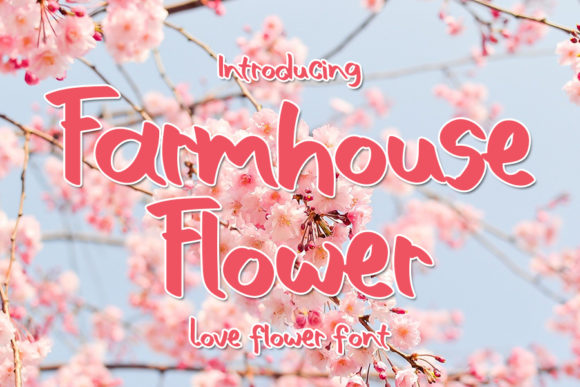
As I sat down to redesign the header for my lifestyle blog, I found myself scrolling through my font library, searching for something that felt both personal and professional. That’s when I stumbled upon Farmhouse Flower—a neat and beautiful handwritten font that immediately caught my eye. Its soft curves and delicate strokes brought a sense of warmth and authenticity to the page, making it feel like a warm welcome rather than just a title.
Farmhouse Flower is a script handwritten font that carries an effortless charm. It doesn’t shout, but it commands attention with its subtle elegance. The rhythm of the letters feels natural, as if someone had taken a pen and sketched the words by hand, leaving behind a trace of human touch. This makes it ideal for content that values personality and storytelling over rigid structure.
Farmhouse Flower for Lifestyle Blog Headers and Branding
When I first used Farmhouse Flower for my blog header, I was struck by how it elevated the overall tone of the site. It added a sense of calm and approachability, which aligned perfectly with the lifestyle content I create. Whether it was a post about morning routines or weekend getaways, the font felt like it belonged there, adding a layer of visual storytelling without overpowering the message.
This font works especially well for branding that leans into a rustic, cozy, or artisanal aesthetic. It pairs beautifully with earthy color palettes, minimalist layouts, and organic textures. For a lifestyle blog, it can serve as the primary typeface for headers, pull quotes, or even social media captions, giving the brand a cohesive and recognizable identity.
Farmhouse Flower for Recipe Ebooks and Cooking Guides
I recently created a printable recipe ebook for my readers, and Farmhouse Flower became the perfect choice for the cover and chapter headings. Its handwriting style gave the pages a home-cooked, personal feel that made the recipes feel more inviting. The font didn’t interfere with readability, even at larger sizes, which was crucial for a cookbook layout.
For recipe ebooks, Farmhouse Flower can be used in titles, ingredient lists, and section dividers. It adds a sense of warmth and familiarity, making the content feel less like a list of instructions and more like a collection of cherished family recipes. Pairing it with a clean serif or sans serif font for body text ensures that the design remains balanced and easy to read.
Farmhouse Flower for Wedding Guides and Elegant Invitations
One of the most rewarding uses of Farmhouse Flower has been in a wedding guide I designed for a client. The font’s refined yet casual nature made it ideal for headings, guest information, and decorative accents. It brought a sense of grace and simplicity to the layout, complementing the romantic and personal tone of the content.
Wedding guides often require a balance between formality and intimacy, and Farmhouse Flower strikes that note perfectly. It can be used for titles, event schedules, and even personalized messages. Its versatility allows it to adapt to different sections of the guide while maintaining a consistent visual language.
Farmhouse Flower for Coaching Workbooks and Printable Planners
In a recent coaching workbook project, I experimented with using Farmhouse Flower for section headings and motivational quotes. The font’s softness helped create a nurturing and encouraging atmosphere, which was exactly what the workbook aimed to convey. It worked particularly well in short phrases and bullet points, where its handwritten look added a personal touch without overwhelming the reader.
For printable planners and workbooks, Farmhouse Flower can be used for headers, key takeaways, and inspirational quotes. Its legibility at smaller sizes makes it suitable for detailed layouts, while its visual appeal helps break up dense blocks of text. When paired with a bold sans serif for subheadings, it creates a dynamic and engaging reading experience.
Farmhouse Flower for Digital Magazines and Newsletter Graphics
When I updated my newsletter design, I decided to use Farmhouse Flower for the main title and featured headlines. The result was a fresh, modern look that still felt warm and authentic. It stood out against the background without being distracting, making the content more visually appealing and easier to scan.
Digital magazines and newsletters often rely on strong visual hierarchy, and Farmhouse Flower excels in that role. It can be used for article titles, pull quotes, and section dividers, helping to guide the reader through the content. Its handwritten style also adds a unique flair that sets it apart from more rigid typefaces.
Farmhouse Flower for Editorial Layouts and Content Branding
One of the most satisfying aspects of using Farmhouse Flower has been its ability to enhance editorial layouts. Whether it was a feature page, a downloadable worksheet, or a digital magazine spread, the font consistently added a layer of sophistication and personality. It worked well in both large and small formats, proving its versatility across different mediums.
For content branding, Farmhouse Flower can be used as a signature typeface across multiple platforms. It’s ideal for creating a unified look across blogs, social media posts, and print materials. Its handwritten nature makes it feel more approachable, which is essential for building a connection with the audience.
When working with Farmhouse Flower, it’s important to consider the context in which it will be used. While it shines as a display font, it may not be the best choice for long paragraphs of body text. However, when used strategically—such as for headings, subtitles, and decorative elements—it can significantly enhance the overall design and reader experience.
Before finalizing any project, I always check the font’s available styles, ligatures, and multilingual support to ensure it meets the needs of the content. Farmhouse Flower offers a range of options that make it suitable for a wide variety of projects, from simple newsletters to complex editorial layouts.
Ultimately, Farmhouse Flower is more than just a font—it’s a tool for storytelling. Whether you’re designing a blog header, a recipe ebook, or a wedding guide, this script handwritten font has the potential to elevate your work and create a more engaging reading experience. Its blend of beauty and functionality makes it a valuable addition to any designer’s toolkit.